What an enzyme cleaner is
An enzyme or bacterial drain cleaner contains living cultures or enzymes that digest organic matter such as grease, food waste, soap scum and hair. They do not dissolve a hard blockage. They break down the film that lines a pipe over days or weeks.
That makes them a maintenance product more than a rescue product. They are slow, and they need warm water and time to work. If a drain is fully stopped, an enzyme cleaner will not open it in time.
Enzyme cleaner versus other options
Each approach has a role.
| Option | Best for | Limits |
|---|---|---|
| Enzyme cleaner | Slow drains and routine upkeep of organic buildup | Slow, does not clear a full blockage or roots |
| Caustic chemical cleaner | Last resort for some clogs | Hazard to skin and pipes, rarely clears a full main |
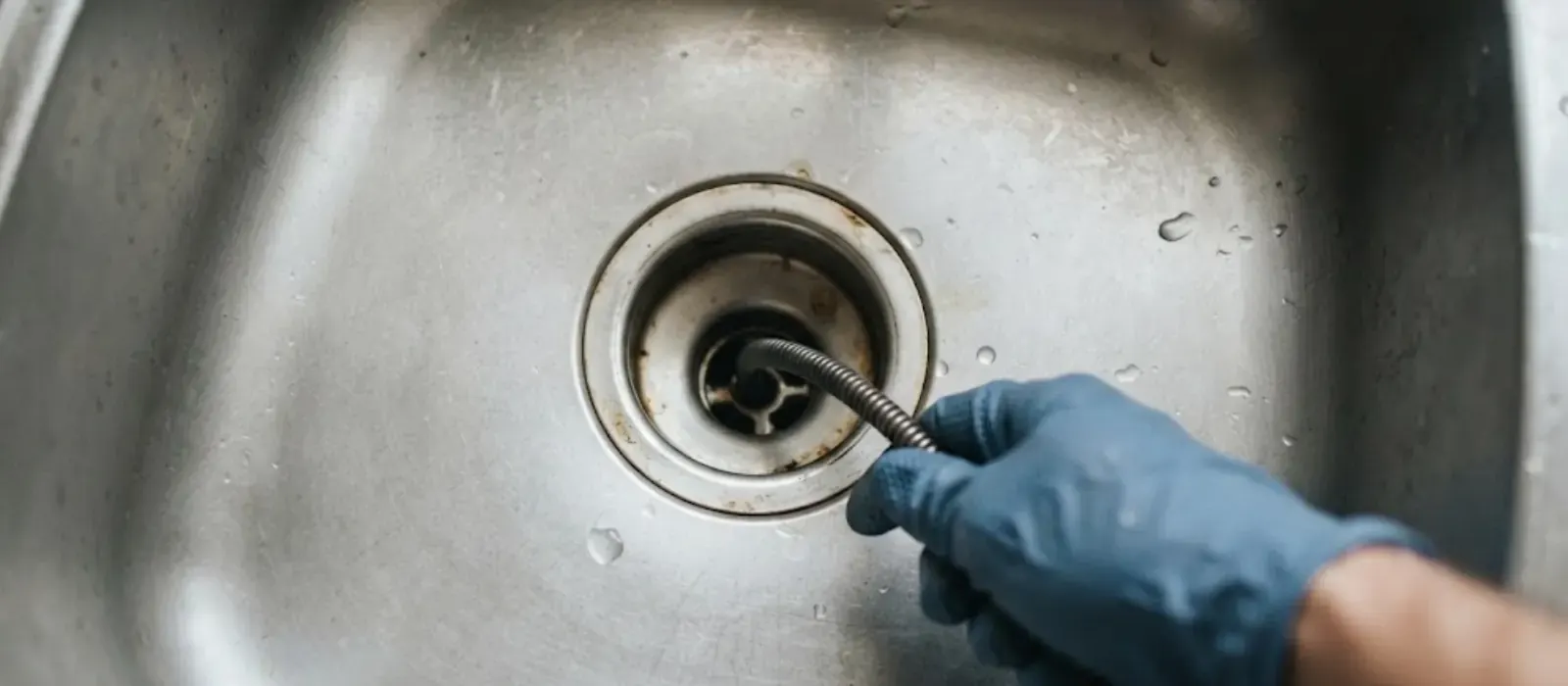
| Hand auger or snake | Hair and soft clogs near the fixture | Leaves a coating, see drain cleaning |
| Hydro jetting | Grease, scale and roots | Needs a plumber |
None of these fixes a broken or collapsed pipe.
How to use an enzyme cleaner well
Follow the label first. This is the usual routine.
Clear the surface
Remove standing debris and pull the stopper to expose the drain.
Dose at night
Pour the product in before a long period of no use, such as bedtime, so it can sit in the pipe.
Flush with warm water
In the morning, run warm water. Hot boiling water can harm some plastic fittings, so avoid it.
Where enzyme cleaners help most
These are the realistic uses.
Kitchen drains with grease film
Regular dosing slows the film that builds on pipe walls.
Slow tubs and showers
Hair and soap scum break down gradually.
Seasonal homes
A dose before an idle period keeps traps from souring.
Grease-prone lines
Used alongside scraping and good habits, they help.
Where they cannot help
Enzymes do not touch tree roots, mineral scale, a crushed pipe or a pile of paper wipes. They do nothing for a belly in the pipe. If water stands in the sink and does not move after a full night, the clog is physical, and a tool is needed.
A drain that keeps clogging even with regular dosing has a deeper cause. A camera look, as described under sewer inspection, finds it.
Safety notes
Do not mix enzyme products with caustic chemicals. The chemicals can kill the cultures and create a hazard. If you used a caustic cleaner recently, tell the plumber when you call so they can open the line carefully.
Store the product away from children and pets, and read the label for materials it is rated to use with. Septic systems have their own rules, so check the label.
Better habits beat any product
Scrape plates, wipe pans with a paper towel before washing, use a drain strainer in the tub and shower and keep grease out of the sink. These habits do more than any bottle, and they cost almost nothing.
Reading the label
Look for the pipe materials the product is rated for, the water temperature it wants and whether it is safe for septic systems. Some products are made for kitchen grease, others for general drains. Match the product to your problem, and follow the contact time on the label.
A product that promises to clear a full clog in minutes is not an enzyme cleaner, and it may be a caustic one. The two behave very differently and should never be mixed.
A simple thirty-day routine
Use enzymes as upkeep, not rescue.
- Week oneClean the stopper and strainer, then dose the drain at bedtime.
- Week twoRun warm water for a minute after each kitchen use and scrape plates first.
- Week threeDose again and check how fast the drain moves.
- Week fourIf the drain is still slow, call a plumber for a camera look.
Why enzymes get overpromised
A bottle on a store shelf is easy to buy and feels like a cure. The label may suggest a drain is cleared in a day. In practice, enzymes work like compost, slowly and best in warm, moist, undisturbed conditions. A busy kitchen drain full of hot water and soap does not offer ideal conditions.
That does not make them useless. It makes them a tool for upkeep. Used on a drain that moves freely, they can slow the buildup of organic film. Used on a drain that is already stopped, they will disappoint you, and the delay can turn a small clog into a flooded sink.
What to try first for a slow drain
Start with the cheapest safe steps.
Clean the stopper and strainer
Hair and soap collect there first.
Remove and clean the trap
A bucket and a rag, and you can see what is inside.
Use a plastic drain tool
It pulls hair from the first few inches of the pipe.
Call a plumber
If water still stands, the clog is deeper than home tools reach.
Label guidelines and safe use
Follow the manufacturer’s label and the product’s Safety Data Sheet for any drain product. Never mix cleaners, and never add a chemical cleaner on top of another product left in the drain.
Enzyme products are slower than chemical ones and work on organic buildup. They do not clear a blocked main line or tree roots, and a plumber’s cable or jetter is the usual answer there.
Using enzymes with good plumbing habits
Enzyme products fit best inside a set of habits that keep drains healthy. Scrape plates into the trash. Wipe greasy pans with a paper towel. Put a strainer in the tub. Run hot tap water for a few seconds after washing dishes so grease moves through the trap.
Do a monthly check. Pour a pot of warm water down each drain and watch how fast it moves. If one drain is slower than the rest, treat that one first. If the slow drain does not improve in a couple of weeks, the cause is more than a film, and it is time for a tool.
Keep a note of which drains give trouble. A drain that clogs twice in a season may have a defect, such as a rough joint or a low spot. Telling a plumber that history helps them pick a camera look over another round of cleaning.
Keizer note: homes with older kitchen drains
The City of Keizer reports its housing boom ran from the 1950s through the 1970s. Kitchen drains from those decades can be narrower and rougher than new ones, so grease collects faster. A regular habit of scraping and strainers helps more here than elsewhere.
If you cannot clear a drain, a plumber is the next step. We serve Salem, Woodburn and Silverton along with Keizer.
Enzyme cleaner questions
Many are labeled for septic use, but check the label and ask your septic provider.
Days to weeks. They are for upkeep, not for a clog that is stopping water now.
Generally yes, since it is not caustic. Avoid boiling water on plastic fittings.
If water stands for hours, several drains slow together or the clog returns quickly, call. See drain cleaning.
Most are, but check the label. Do not mix them with chemical cleaners, and keep up the habit of scraping plates.