What an anode rod does
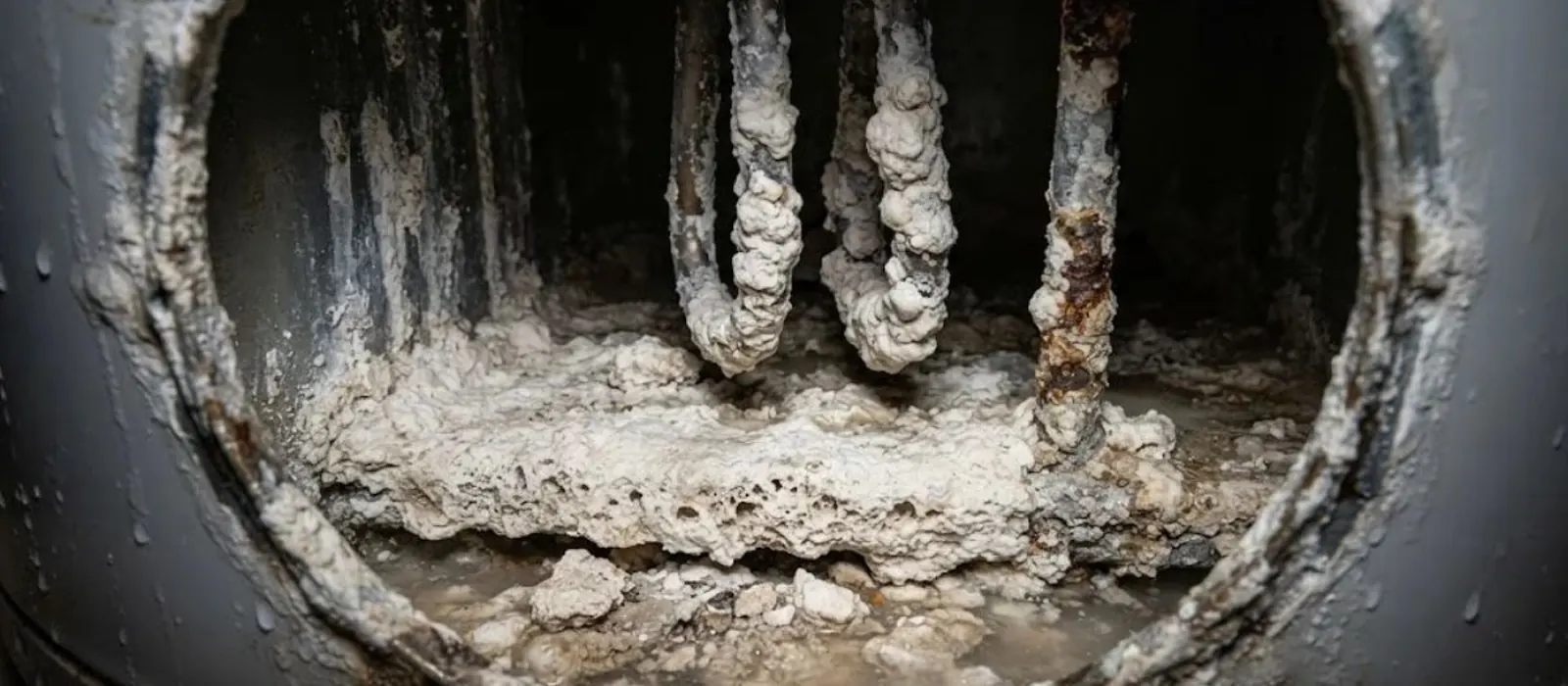
A tank water heater is a steel tank with a glass lining. Tiny gaps in the lining expose steel to water. The anode rod, made of magnesium or aluminum, sits in the tank and corrodes in place of the steel. It sacrifices itself so the tank does not.
When the rod is gone, the water attacks the tank. That is the point where corrosion starts, and it is also the point where a leak is a matter of time.
Signs the rod may be spent
Look for these hints.
Rotten egg smell
Bacteria reacting with some rods can cause an odor.
Rusty hot water
Rust flakes show the tank is corroding.
Popping or rumbling
Sediment buildup, which also hints at neglect.
Tank age
A tank that is old and has never had its rod checked is a candidate.
Checking and replacing the rod
A plumber does this in under an hour in the right setting.
Isolate the tank
Shut off power or gas and the cold supply, then relieve pressure.
Remove the rod
Loosen the hex head on top and pull the rod. Overhead clearance is needed.
Inspect and replace
A rod that is pitted or thin is replaced, and the tank is refilled and tested.
Replace the rod or the tank
The tank condition decides.
| Situation | Best action | Reason |
|---|---|---|
| Tank sound, rod spent | Replace the rod | It can extend the tank’s life |
| Tank leaking | Replace the tank | No repair fixes a leaking shell |
| Rod stuck or seized | Try penetrating methods or flex rod | Low clearance needs a segmented rod |
| Tank very old | Consider replacing | A new tank may be the wiser investment |
If the tank has failed, see water heater replacement.
Overhead clearance and flexible rods
A rod can be two to four feet long and has to be lifted straight out. In a tight closet or under a low ceiling, that is not possible. Flexible, segmented rods exist for this reason. Ask the plumber what clearance you have.
Combo with a flush
The best time to check the rod is during a tank flush. Draining sediment, inspecting the rod and testing the relief valve together gives you a full health check. Water heater repair visits often include this.
Magnesium, aluminum and the smell question
Magnesium rods protect well and are common. Aluminum rods, often alloyed with zinc, are used where a smell is a problem, because they change how bacteria react in the tank. Which one suits your tank depends on your water, and the plumber can advise.
If your hot water smells like rotten eggs, the rod is only one possible cause. Bacteria can grow in a tank that is kept at a low temperature, so raising the setting and flushing can help. Ask before you make changes, because very hot water is a scald risk.
Planning the replacement
Combine the rod check with a flush so the tank gets a full service in one visit. Make sure there is overhead room, or ask for a flexible rod. Turn off power or gas and let the water cool before anyone opens the tank.
If the tank is already old and the rod has been missing for years, the plumber may tell you the tank is not worth the work. That is useful honesty, and it lets you plan a replacement on your terms rather than during an emergency. See water heater replacement for that path.
What replacing the rod will not do
A new rod will not stop a tank that already leaks. It will not remove sediment, and it will not fix a failed element or thermostat. It slows corrosion in a tank that is still sound. That is a narrow job, but a useful one for a tank that is in the middle of its life.
It also will not extend a tank forever. The glass lining ages, and eventually the steel gives out even with a fresh rod. Think of the rod as maintenance that moves the end date back, not a way to avoid replacement.
A sensible maintenance plan for a tank heater
Small tasks, done on schedule.
Flush the tank each year
It clears sediment and gives you a look at the water.
Test the relief valve
A stuck valve is a safety risk.
Check the rod every few years
Replace it when it is thin or coated.
Know the age of the tank
Plan the replacement before it fails.
Manufacturer rules on anode rods and warranty
The manufacturer’s manual says where the rod is, which type fits and how often to inspect it. Skipping those steps can affect warranty coverage, so check yours before you start.
Turn off the power or gas, close the cold supply and relieve pressure before loosening anything. The Uniform Plumbing Code (UPC) requires a relief valve on the heater, and it should never be capped or removed during this work.
A visit that combines the rod with a flush
When the plumber arrives, the first step is to shut off power or gas and close the cold supply. Hot water then drains from a tap or a hose connected to the drain valve. Sediment comes out with the water, and the color and amount of what comes out tells you how the tank is doing.
With the tank drained, the plumber removes the rod and inspects it. A rod that is thin, pitted or coated with calcium is replaced. The tank is then refilled, the air is purged and the unit is brought back to temperature.
You get a quick health report on the tank at the same visit. If the plumber sees heavy rust in the drained water, that is the sign to start planning a replacement. If the water runs clear and the rod looks usable, you may add several years to the tank with a modest repair.
Keizer note: know your water
The City of Keizer publishes an annual water report for its groundwater system, but the page we reviewed does not give a hardness number. Test your tap, or ask the city, because water chemistry affects how fast a rod wears. Rotten egg smell in hot water is worth a call regardless of the cause.
Customers in Woodburn get groundwater with iron and manganese treatment, while Silverton draws from Abiqua Creek. Different water can wear a rod at a different pace, so ask the plumber what they see.
Anode rod questions
Many people check every few years and after a flush. A plumber can tell you how it looks.
No. If the tank is leaking, the rod cannot help.
If you have clearance and the right socket, yes. Water and power or gas must be off.
Warranty terms vary by brand. Check the manual or ask the plumber.
Often under an hour, plus time for the tank to drain and refill. Tight spaces take longer.